
Friends character wall art makes a more personal choice than a general ensemble collage. It signals that you know which personality, comic style or recurring theme the fan enjoys. That specificity is valuable for gifts, but it also creates more room for a wrong guess.
The verified catalogue includes named Joey, Chandler, Monica, Ross, Phoebe and Janice products. It does not contain a verified Rachel-named product, so this guide does not imply a complete main-character range or invent a missing option.
All examples are existing fan-oriented Yaadscape pages. No official licence, studio approval or rights-holder affiliation is claimed.
Choose character first, design second
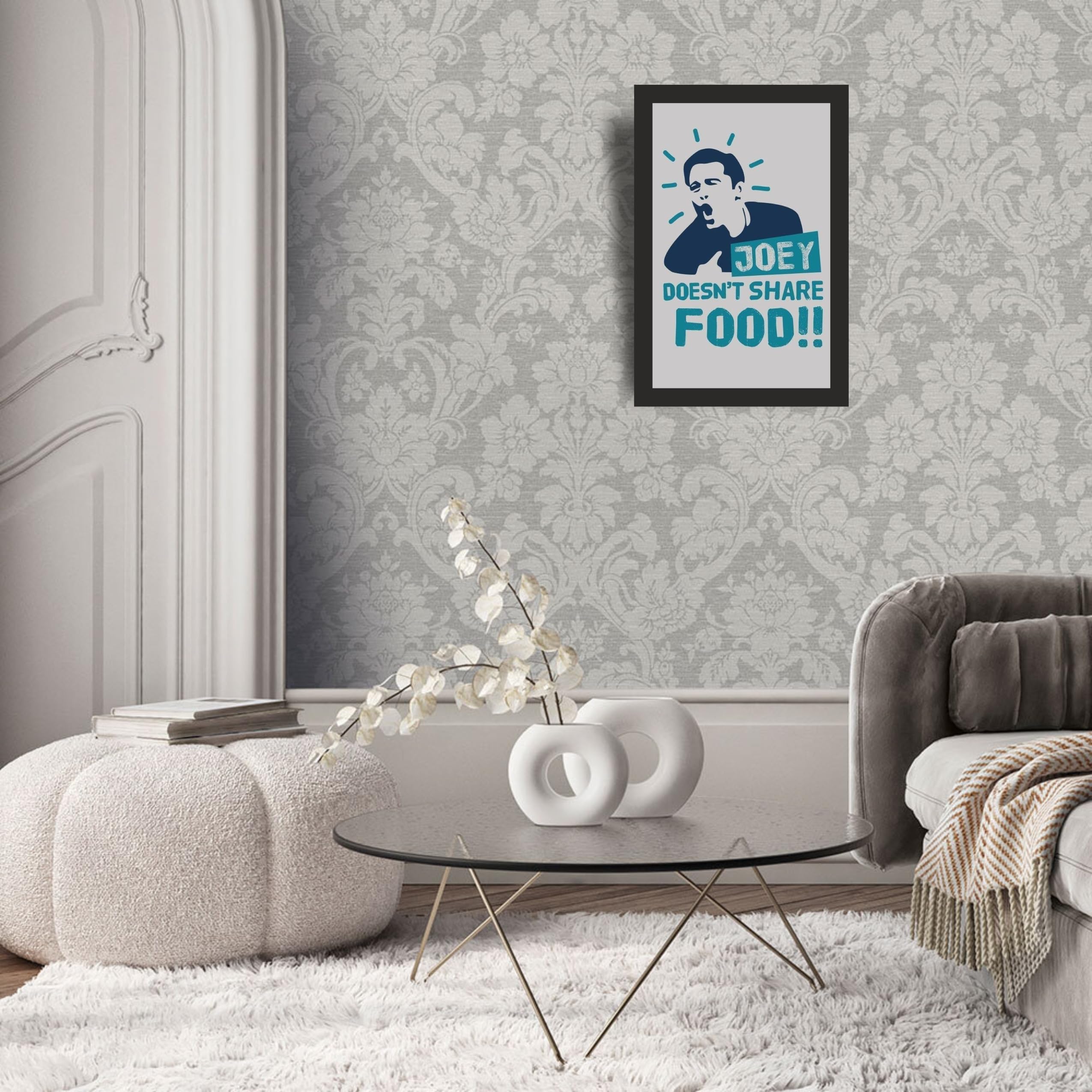
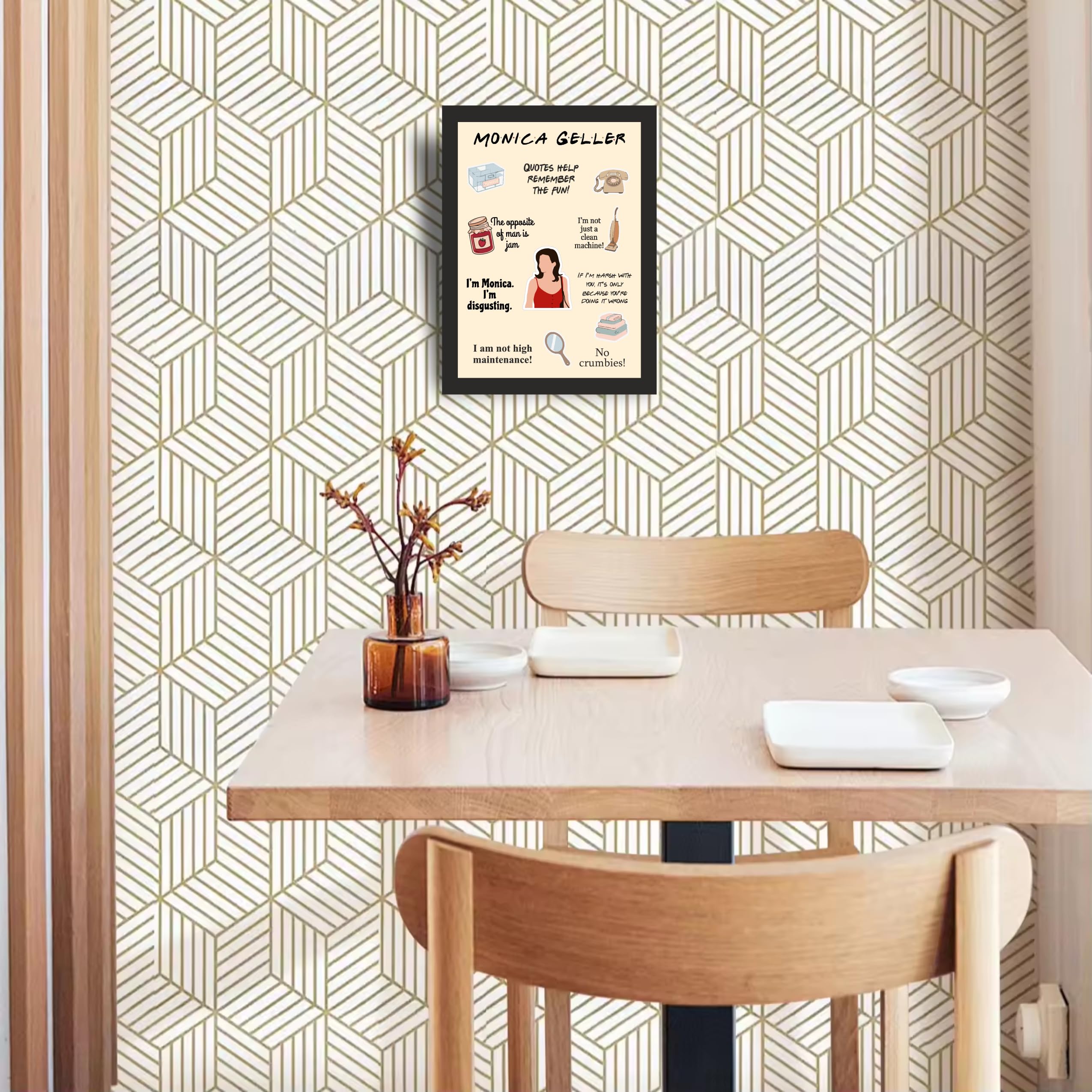
Begin with the recipient's genuine preference. Joey products lean toward food, confidence and playful misunderstandings. Chandler designs centre on sarcasm, awkwardness and self-aware humour. Monica artwork uses organisation, certainty, scrapbook treatments and energetic colour.
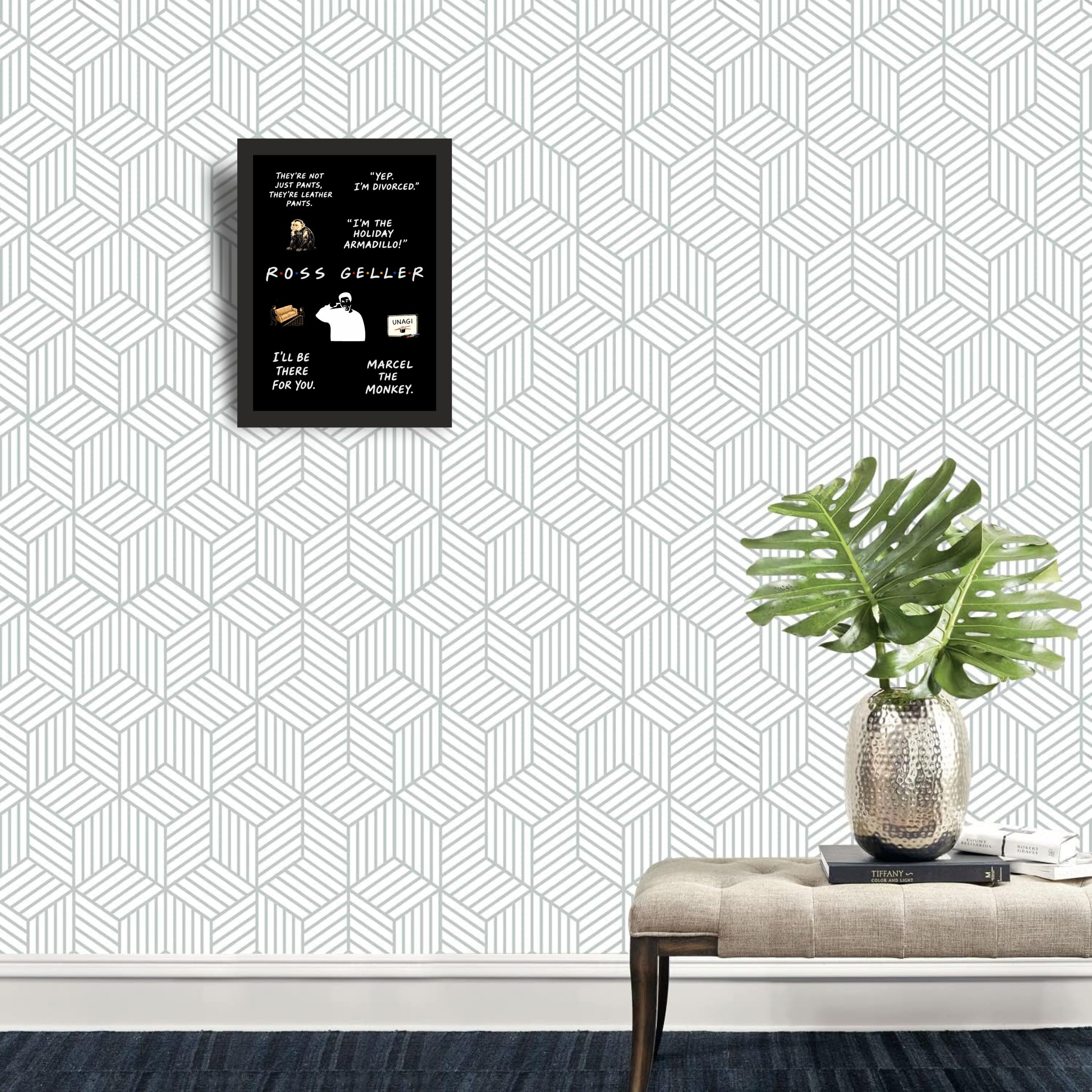
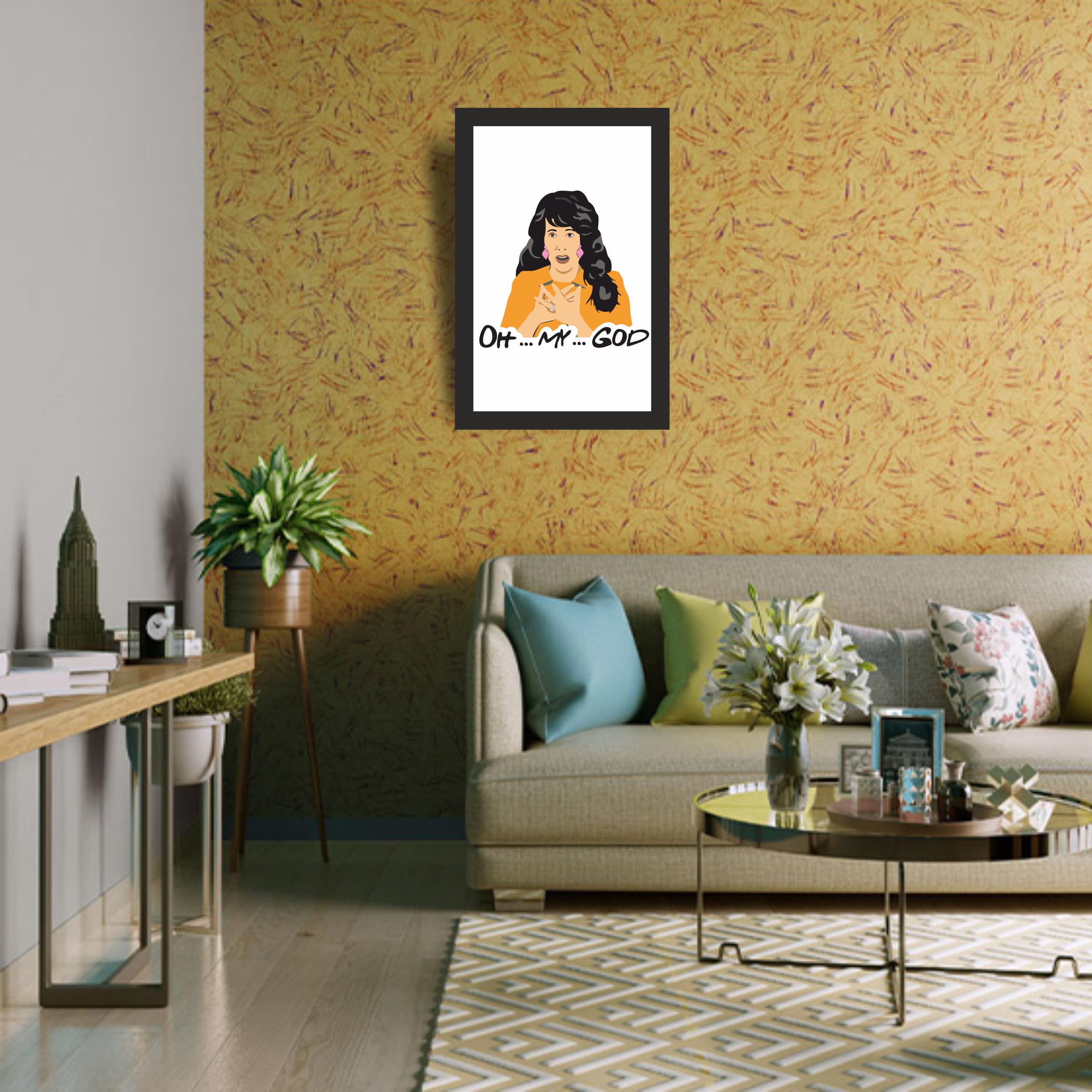
Ross products form one of the catalogue's broadest groups, covering relationship confusion, food, physical comedy, intense self-reassurance and collage portraits. Phoebe pieces use eccentric refusal, planning and music-related ideas. Janice portraits are bold, specific and best for someone who appreciates that recurring presence.
Once the character is right, compare portrait, typography, silhouette and collage. A recognisable theme is not enough if its visual treatment clashes with the room.
Character styles represented by real products
Joey
Food portraits provide a colourful, immediately playful option. Minimal silhouette designs are quieter and easier to place above a desk. Choose between broad character identity and a specific comic concept according to how well you know the fan.
Chandler
Sarcasm-led typography suits fans who connect with dry humour. Because text can dominate a wall, check readability and choose one strong piece rather than combining several similar statements.
Monica
Cream scrapbook and quote collages mix personality with a softer nostalgic palette. They suit warm bedrooms and living rooms better than a highly contrasted black design when the décor is neutral.
Ross, Phoebe and Janice
Ross Character Moments works as a broad collage. Phoebe Refusal Illustration uses a lighter illustrated approach. Janice Portrait is a specific gift with a stronger visual personality. These should not be treated as interchangeable simply because they come from the same show.
Six characters and six visual directions
The product grid uses one existing example for Joey, Chandler, Monica, Ross, Phoebe and Janice. It is an editorial comparison, not a claim that these are bestsellers. Open each card for full product imagery and details. All purchase journeys continue from the Yaadscape product page to Amazon rather than bypassing the site.


Match character art to a room
In a bedroom, personal favourites and brighter portraits can feel natural. In a shared living room, a cream scrapbook or broad character collage is often easier for the whole household. In a workspace, choose minimal imagery and consider what appears during video calls.
Measure the outer frame and test a paper template. Portraits need enough blank wall around the face or silhouette. Text-heavy designs require a viewing distance at which the type remains readable. Keep all artwork away from dampness, harsh sunlight and moving furniture.
The Friends TV show wall art guide covers spacing and gallery arrangements, while the Central Perk and collage guide is better when the recipient prefers ensemble nostalgia to one character.
Character art as a gift
A character-specific present works when it reflects something the recipient already says or displays. Do not assign a character to someone as a personality judgement; let their stated preference lead. If you are unsure, use an ensemble collage or the broader ideas in the Friends TV show gifts guide.
Add a note about the shared memory behind the choice without reproducing long dialogue. The personal explanation is what separates a considered gift from a random reference. For colleagues, avoid intimate relationship themes or humour that may be misunderstood outside a private setting.
Frequently asked questions
Is there a Rachel product?
No verified Rachel-named product appears in the audited catalogue. Future content should be updated only if a real catalogue product is added.
Which character design is safest when I am unsure?
None is universally safe. Choose an ensemble or Central Perk design instead of guessing. Character art is strongest when the preference is known.
Can six character frames form a gallery wall?
The current named range is not a verified complete principal-cast set. A mixed character wall can still work, but it should be presented as a personal selection, with matching dimensions and consistent spacing.
A closer editorial lens
Visual variety also matters within one character. The catalogue may offer portraits, colour variants, collage treatments and concept-led typography. Two products about the same person can create very different rooms. Compare the dominant colour, face or silhouette scale and amount of text before deciding that a familiar character automatically makes the right design.
If several household members share the room, involve them in the choice. A private favourite can work in a bedroom, while shared living spaces benefit from broader agreement. This is especially important for humour-led art: a reference that delights one fan may feel repetitive to someone who sees it every day without the same connection.
Specificity is the value
Character wall art succeeds because it feels chosen, not because one personality is objectively more popular. Match the actual fan, design treatment and room, and be honest about what the catalogue contains.
That approach produces a useful product-discovery page while avoiding invented products, forced completeness and copied dialogue.