
Flowers fade. Sweets are shared and enjoyed. The lights and festive decorations eventually come down. That temporary beauty is part of Ganesh Chaturthi, not a weakness in it. Yet sometimes we also want to give something that continues to carry the memory of the celebration after the final aarti and farewell.
A thoughtfully chosen ganpati photo frame can do that. It may become part of a pooja corner, welcome guests near an entrance, bring devotional art into a living room or sit quietly near a desk. Its meaning comes from the relationship, the occasion and the symbolism of Ganpati Bappa—not from a promise that the object will guarantee a particular result.
This article looks at the emotional longevity of wall art, the difference between traditional and modern Ganesh imagery, practical size choices, and how to select a ganesh ji photo frame gift for a home or office without making the occasion overly commercial.
A festival gift that can become part of everyday life
Ganesh Chaturthi is vivid and communal, but devotion also lives in ordinary days. A frame chosen during the festival can remain visible when someone begins work, studies for an examination, welcomes relatives or takes a few quiet minutes for prayer. It can connect the intensity of the celebration with the steady rhythm of home.
That does not make a frame inherently more meaningful than sweets, flowers or service. Fresh modaks shared with family create their own memory. Helping a friend host visitors can be more valuable than any purchased item. The strength of a lasting gift is simply different: it gives the recipient something they can place, revisit and interpret over time.
A Ganesh photo frame gift works best when it is selected for the person rather than for the keyword. Think about their décor, wall space, devotional practices and comfort with sacred imagery before deciding.
Why Ganpati imagery carries symbolic meaning
Lord Ganesha is traditionally associated with wisdom, learning, auspicious beginnings and the removal of obstacles. For many devotees, his form symbolises thoughtful action and the humility to listen and learn. This is why Ganesh Ji is remembered at the start of ceremonies, journeys, new homes and professional ventures.
Gifting a ganpati bappa photo frame can express a wish that the recipient approaches a new chapter with clarity and courage. It should not be described as a guarantee of success, wealth, health or protection. Respectful language leaves room for faith while remaining honest about what a physical gift can and cannot do.
If the recipient is setting up a new home, our guide to Ganesh Ji photo frames for home explains suitable spaces and proportional placement in more detail.
Traditional or modern: choose for the person
Traditional Ganesh imagery
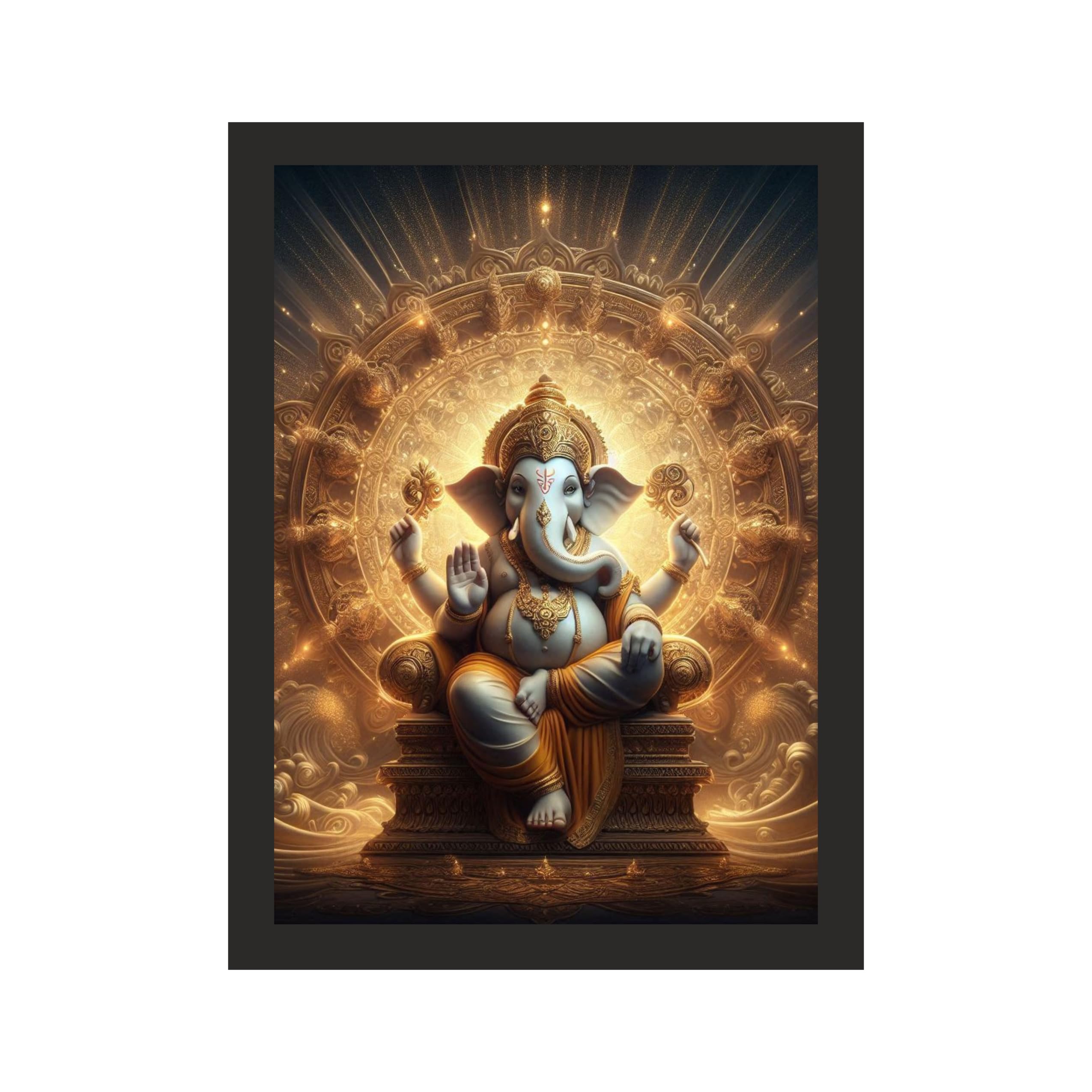
Traditional seated forms, throne compositions, warm gold tones and mandala backgrounds can suit prayer areas and homes with classic Indian décor. These styles often feel ceremonial and are a natural choice for parents, grandparents or a family that prefers recognisable devotional iconography.
Minimalist and monochrome Ganesh art
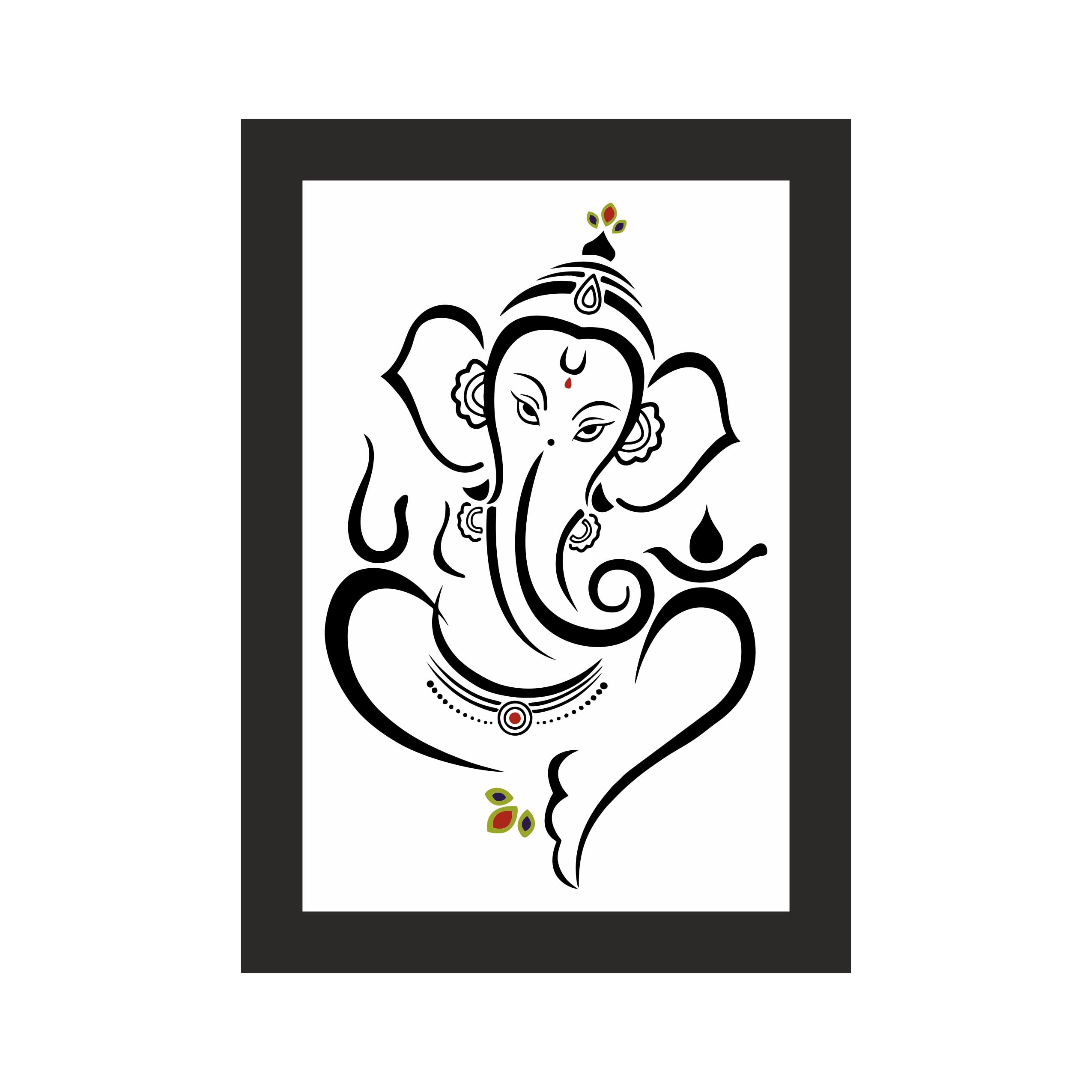
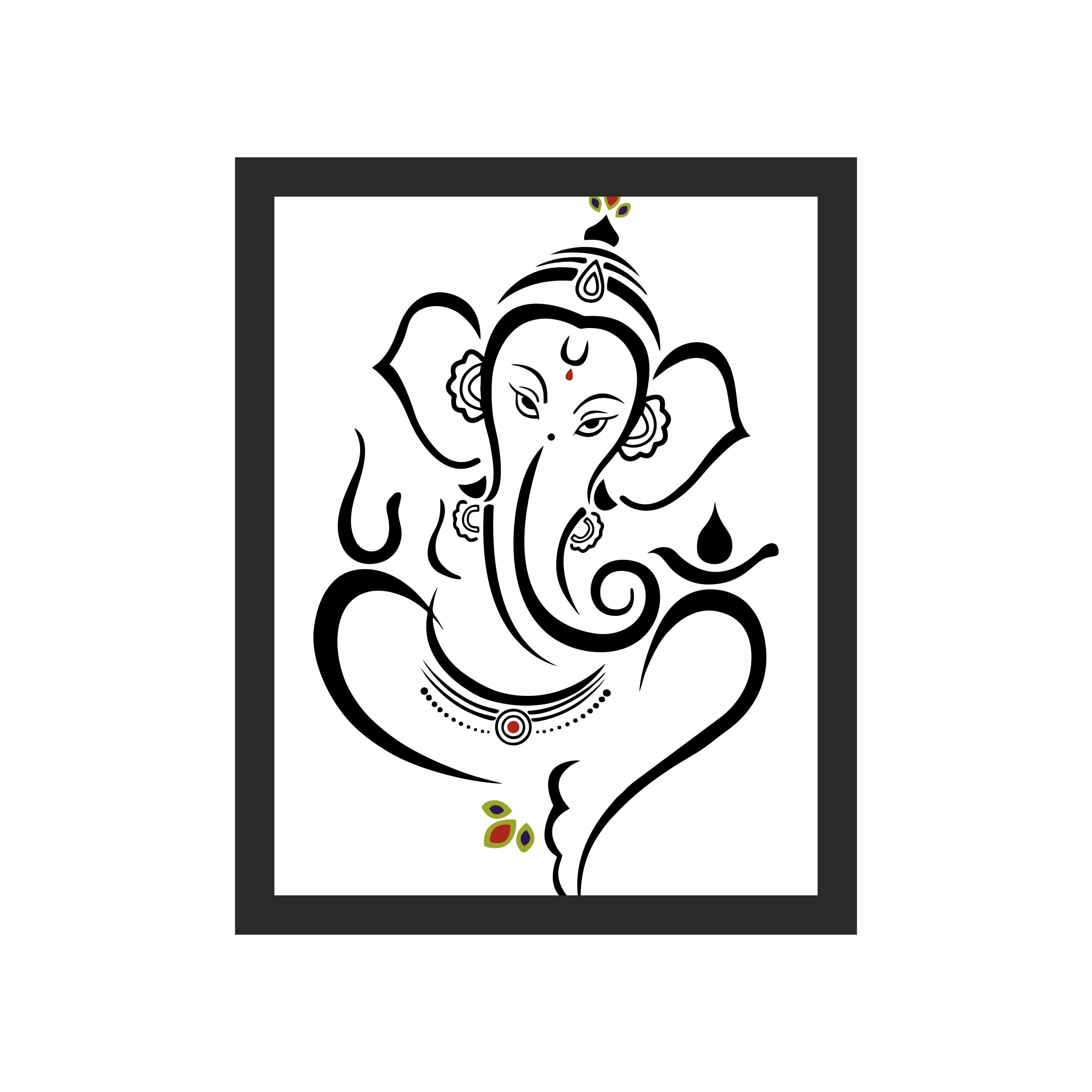
Simple line work, restrained colour and monochrome portraits can fit modern apartments, study corners and offices. A minimalist Ganesh piece is still devotional art; its quieter visual language simply allows it to sit comfortably beside contemporary furniture and neutral interiors.
Colourful and multi-panel compositions
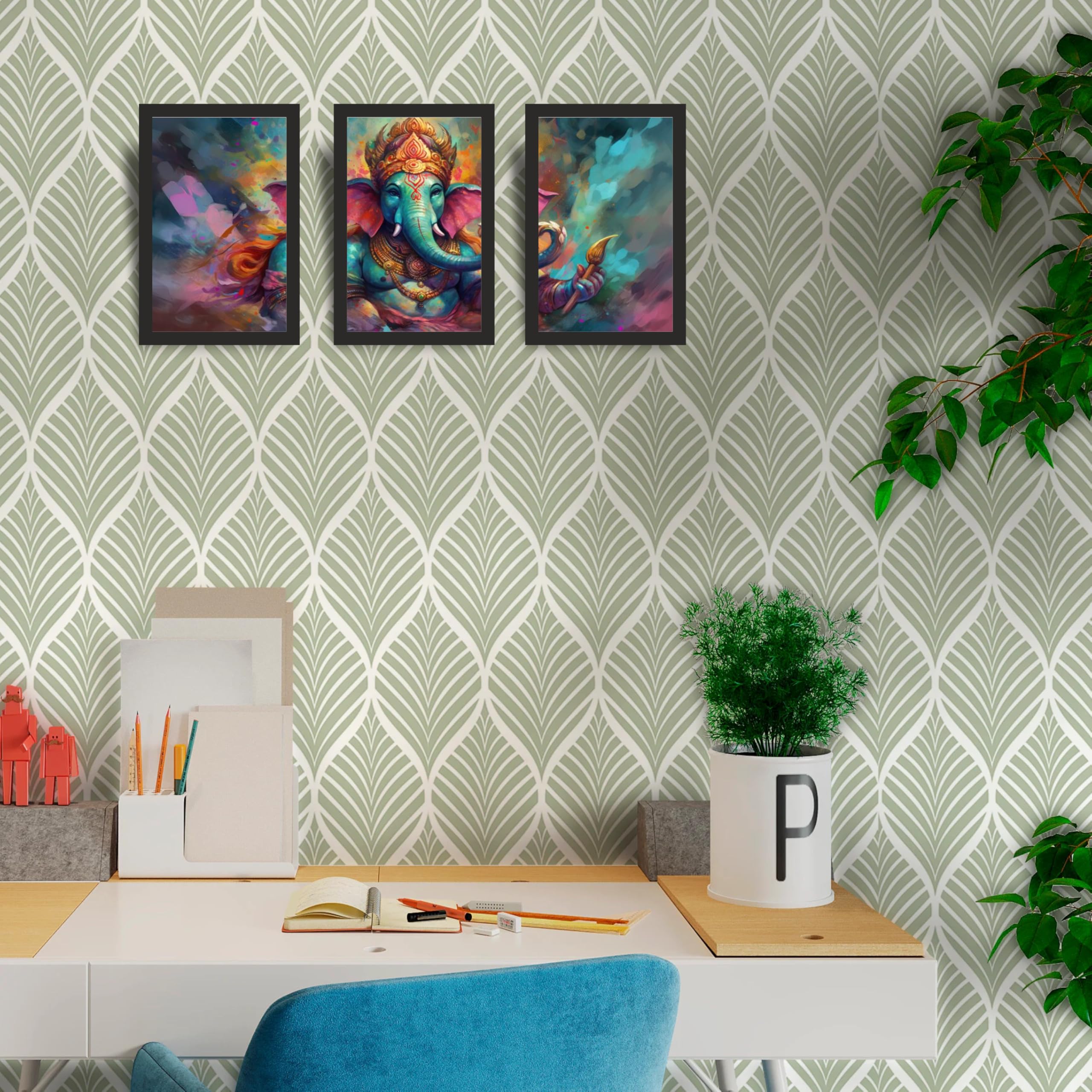
A colourful three-frame set makes a stronger decorative statement and can bring movement to a wide living-room wall. Choose this format only when you understand the recipient's taste and have a reasonable idea of the available space. A set needs consistent spacing during installation, so it is less universal than a compact single frame.
Size and orientation matter more than they seem
Online product images can make every frame look similar in scale. In a real room, an 8×10 piece and a 36×48 centrepiece serve very different purposes. Measure the wall and consider viewing distance before selecting a ganpati festival gift item.
Compact 8×10, 9×12 and 10×14 frames are flexible gifts for desks, shelves, small pooja corners and office cabins. Medium 12×15, 12×16 and 16×20 formats are visible without dominating a typical room. Large 20×30, 24×36 or 36×48 art needs an open wall and a recipient who enjoys a strong devotional focal point.
Portrait formats fit narrow wall sections and vertical niches. Square artwork feels centred and stable above a console or altar. Landscape and triptych formats work across wider furniture. Always check the dimensions and orientation on the actual product page.
A Ganesh frame for home versus office
At home, the choice can be more personal and devotional. A classic image may be placed in a pooja room, while colourful Ganesh wall décor can become part of a living-room arrangement. The household's traditions should guide placement and handling.
For an office, restraint is usually helpful. A small, calm frame is easier to place on a desk or a modest wall and is less likely to overwhelm a shared environment. Before gifting religious art to a colleague, be sure it is welcome and consistent with workplace policy. A desk plant, sweets or neutral festive hamper may be better when you are uncertain.
For a housewarming, medium sizes are often safest because they offer presence without demanding a large wall. If the recipient has specifically requested a statement piece, then a mandala or multi-panel format can be considered.
A simple checklist for choosing a Ganesh photo frame gift
If you are comparing several festive options, our broader guide to Ganesh Chaturthi gifts for family and loved ones also covers sweets, diyas, plants, hampers and practical help. For recipients settling into a new address, continue with the Ganesh housewarming gift guide.
- Confirm that devotional artwork is appropriate and welcome for the recipient.
- Choose traditional, minimalist, monochrome or colourful art according to their taste.
- Measure or estimate the intended wall, shelf or desk before selecting a size.
- Use compact formats when the recipient lives in a small apartment or moves frequently.
- Check whether portrait, square, landscape or a frame set best suits the available area.
- Read the product page for the full dimensions, frame material, imagery and current price.
- Add a personal note that expresses goodwill without promising supernatural outcomes.
Ganpati photo frames to explore
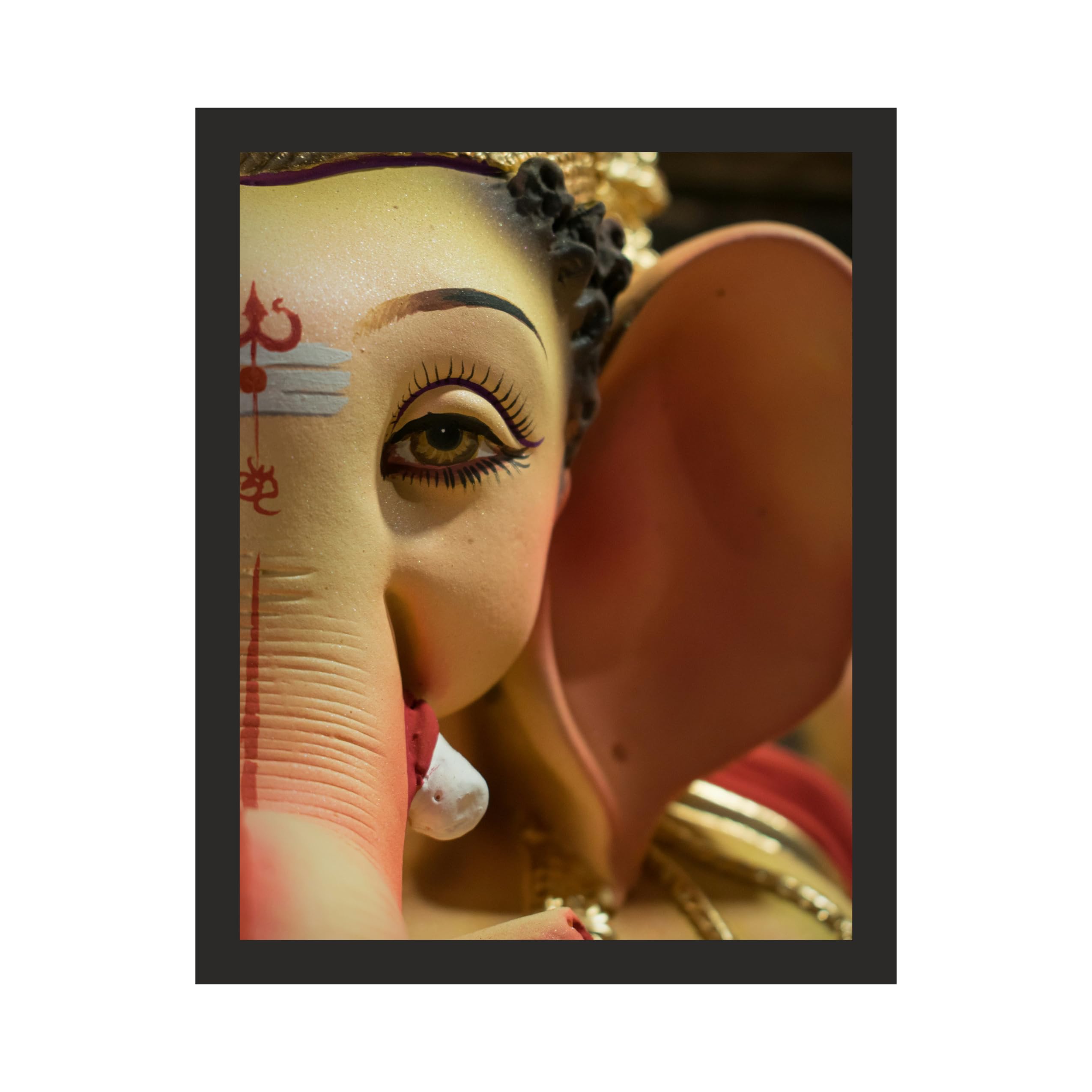
This selection moves from a compact minimalist blessing and small radiant frame to a medium modern piece, a colourful three-panel set and a grand mandala statement. Each card links to an existing Yaadscape product page, where the complete title, product images, details and Amazon purchase route are available. You can also browse the complete Spiritual & Devotional Art category.

Make the presentation part of the memory
A lasting gift does not need elaborate packaging. Use clean, protective wrapping and include the recipient's name. A handwritten card can mention the festival, the new beginning being celebrated, or a shared memory. If the frame is large, coordinate delivery instead of surprising the host with a difficult package during a crowded gathering.
Give the recipient freedom to decide where and when to display it. Devotional spaces are personal, and even a well-intended guest should not direct the household's placement. That respect makes the gift feel warmer and less performative.
What remains after the celebration
When the festival décor is packed away, the most enduring part of Ganesh Chaturthi is often the feeling of having gathered—family conversations, neighbourhood music, shared prasad and the care invested in welcoming Ganpati Bappa. A frame cannot contain all of that, but it can become a visual thread back to the occasion.
Choose it thoughtfully, describe its symbolism honestly and let the recipient make it part of their own home. That is how a ganpati photo frame can stay beyond the festival without turning devotion into a sales claim. The pooja-room frame guide covers compact sacred spaces, while our Ganesh Chaturthi decoration guide explains how framed art can work with flowers, lights and diyas. Visit the Yaadscape Blog for the complete series.